हिन्दी
- English
- Español
- Português
- русский
- Français
- 日本語
- Deutsch
- tiếng Việt
- Italiano
- Nederlands
- ภาษาไทย
- Polski
- 한국어
- Svenska
- magyar
- Malay
- বাংলা ভাষার
- Dansk
- Suomi
- हिन्दी
- Pilipino
- Türkçe
- Gaeilge
- العربية
- Indonesia
- Norsk
- تمل
- český
- ελληνικά
- український
- Javanese
- فارسی
- தமிழ்
- తెలుగు
- नेपाली
- Burmese
- български
- ລາວ
- Latine
- Қазақша
- Euskal
- Azərbaycan
- Slovenský jazyk
- Македонски
- Lietuvos
- Eesti Keel
- Română
- Slovenski
- मराठी
- Srpski језик

क्या डिस्पैचिंग सेंटर का इंटेलिजेंट कंसोल आपातकालीन प्रतिक्रिया में सुधार कर सकता है?
बिजली कटौती, यातायात व्यवधान, या औद्योगिक घटना के दौरान, आपातकालीन प्रतिक्रिया इस बात पर निर्भर करती है कि लोग कितनी जल्दी बिखरी हुई जानकारी को समन्वित कार्रवाई में बदल सकते हैं। एकडिस्पैचिंग सेंटर का इंटेलिजेंट कंसोलमहत्वपूर्ण जानकारी को व्यवस्थित करके, संचार में सुधार करके और ऑपरेटरों को विकासशील स्थितियों के बारे में स्पष्ट दृष्टिकोण बनाए रखने में मदद करके इस प्रक्रिया का समर्थन कर सकते हैं।
आपातकालीन प्रेषण में अक्सर बहुमूल्य समय क्यों नष्ट हो जाता है?
आपातकालीन घटनाएँ शायद ही कभी पूर्वानुमेय अनुक्रम का पालन करती हैं। एक नियंत्रण कक्ष को निगरानी प्रणालियों से अलार्म, फील्ड टीमों से फोन कॉल, उपकरण स्थिति अपडेट और मिनटों के भीतर कई विभागों से अनुरोध प्राप्त हो सकते हैं। प्रत्येक संदेश उपयोगी हो सकता है, लेकिन वास्तविक चुनौती यह समझना है कि जानकारी एक साथ कैसे फिट होती है।
जब ऑपरेटरों को स्क्रीन, संचार उपकरण और मैन्युअल रिकॉर्ड के बीच बार-बार स्विच करना पड़ता है, तो महत्वपूर्ण विवरणों को अनदेखा किया जा सकता है। दो विभाग अलग-अलग अपडेट से काम कर सकते हैं, जबकि एक फील्ड टीम कार्रवाई करने से पहले पुष्टि की प्रतीक्षा करती है।
जरूरी नहीं कि ये देरी जानकारी की कमी के कारण हो। कई मामलों में, समस्या यह है कि जानकारी साझा परिचालन चित्र के बिना अलग-अलग चैनलों के माध्यम से आती है।
कैसे एक डिस्पैच कंसोल तेज़ निर्णयों का समर्थन करता है
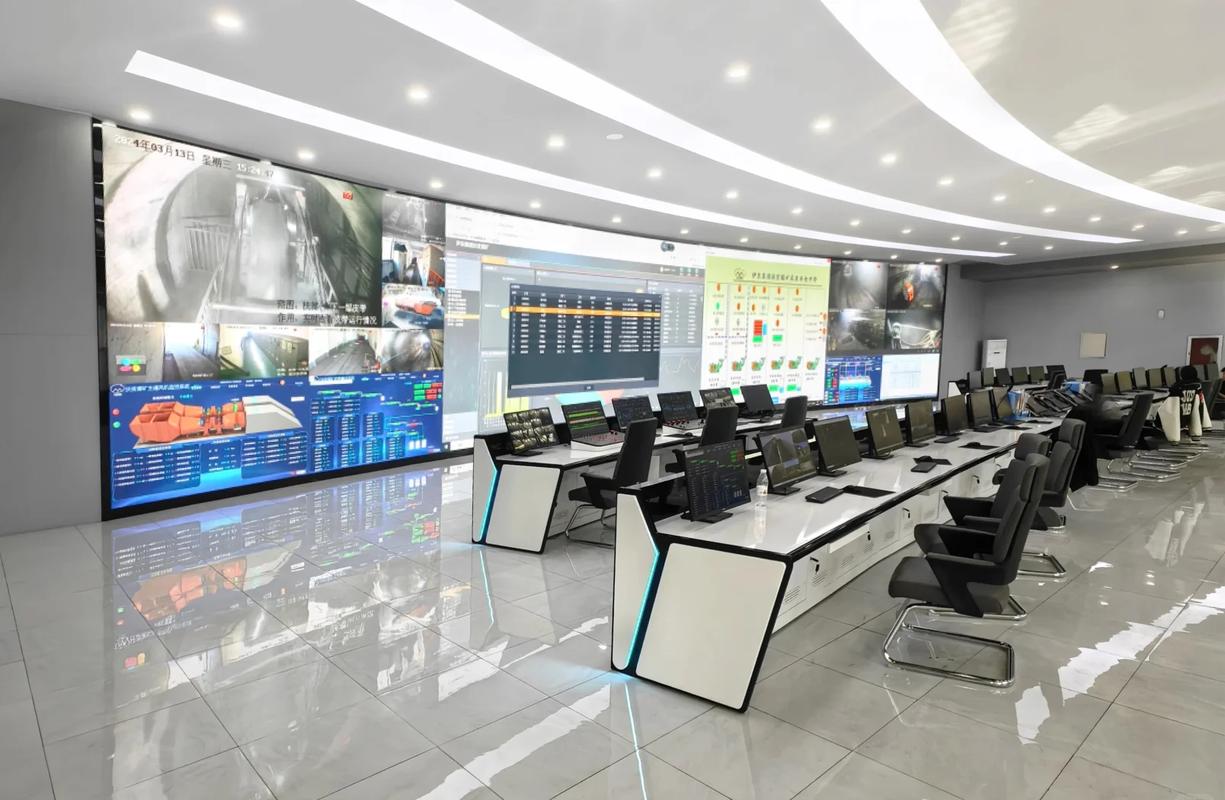
एक डिस्पैच कंसोल उपकरण की निगरानी, टीमों के साथ संचार और परिचालन जानकारी के प्रबंधन के लिए एक समर्पित कार्यक्षेत्र प्रदान करता है। आपातकालीन प्रतिक्रिया में इसका योगदान इस बात पर निर्भर करता है कि कार्य केंद्र, संचार प्रणाली और डिजिटल उपकरण एक साथ कितनी अच्छी तरह काम करते हैं।
महत्वपूर्ण जानकारी को एक दृश्य में लाना
एक समन्वित नियंत्रण कक्ष एक सुसंगत लेआउट में अलार्म संदेश, उपकरण की स्थिति, घटना के स्थान और प्रतिक्रिया प्रगति प्रदर्शित कर सकता है। ऑपरेटर डिस्कनेक्ट किए गए इंटरफ़ेस पर बार-बार खोज किए बिना यह पहचान सकते हैं कि किन घटनाओं पर तत्काल ध्यान देने की आवश्यकता है।
उदाहरण के लिए, क्षेत्रीय बिजली व्यवधान के दौरान, ऑपरेटरों को प्रभावित सबस्टेशनों की तुलना करने, उपकरण अलार्म की समीक्षा करने और रखरखाव टीमों के साथ संवाद करने की आवश्यकता हो सकती है। एक सुव्यवस्थित कंसोल लेआउट इन कार्यों को दृश्यमान रखने में मदद करता है और कार्यस्थानों के बीच अनावश्यक आवाजाही को कम करता है।
टीमों के बीच संचार में सुधार
आपातकालीन प्रतिक्रिया में अक्सर समय के दबाव में काम करने वाले कई विभाग शामिल होते हैं। डिस्पैच ऑपरेटरों को सटीक निर्देश साझा करने, महत्वपूर्ण अपडेट रिकॉर्ड करने और ट्रैक करने की आवश्यकता है कि क्या सौंपी गई कार्रवाइयां पूरी हो गई हैं।
एक एकीकृत प्रेषण वातावरण कनेक्टेड टेलीफोन सिस्टम, रेडियो उपकरण, डेटा टर्मिनल और साझा डिस्प्ले के माध्यम से संचार का समर्थन कर सकता है। स्पष्ट उपकरण प्लेसमेंट और व्यवस्थित केबल प्रबंधन विस्तारित संचालन के दौरान आवश्यक नियंत्रणों को सुलभ रखने में भी मदद करता है।
इसका उद्देश्य केवल संचार गति बढ़ाना नहीं है। इसका उद्देश्य गलतफहमियों को कम करना और यह सुनिश्चित करना है कि प्रासंगिक जानकारी सही समय पर सही लोगों तक पहुंचे।
क्या बुद्धिमान प्रौद्योगिकी अगली समस्या की भविष्यवाणी कर सकती है?
डिजिटल निगरानी और डेटा विश्लेषण प्रेषण केंद्रों के लिए नए अवसर पैदा कर रहे हैं। प्रत्येक असामान्य रीडिंग को नोटिस करने के लिए ऑपरेटर की प्रतीक्षा करने के बजाय, कनेक्टेड सिस्टम असामान्य पैटर्न की पहचान कर सकते हैं और कॉन्फ़िगर किए गए थ्रेशोल्ड या विश्लेषणात्मक मॉडल के आधार पर अलर्ट जारी कर सकते हैं।
उदाहरण के लिए, बढ़ते ऑपरेटिंग तापमान के साथ बार-बार उपकरण अलार्म एक विकासशील खराबी का संकेत दे सकता है। एक निगरानी मंच पैटर्न को उजागर कर सकता है, जिससे ऑपरेटरों को स्थिति अधिक गंभीर होने से पहले जांच करने की अनुमति मिल सकती है।
कृत्रिम बुद्धिमत्ता घटना वर्गीकरण, सूचना पुनर्प्राप्ति और परिचालन सारांश तैयार करने में और सहायता कर सकती है। हालाँकि, पूर्वानुमान केवल तभी उपयोगी होते हैं जब अंतर्निहित डेटा सटीक हो और अलर्ट समझने योग्य हों। आपातकालीन निर्णयों के लिए अभी भी स्थापित प्रक्रियाओं, मानवीय निर्णय और स्पष्ट जिम्मेदारी की आवश्यकता होती है।
एकडिस्पैचिंग सेंटर का इंटेलिजेंट कंसोलइसलिए फर्नीचर के एक अकेले टुकड़े या एक स्वतंत्र निर्णय लेने वाली प्रणाली के बजाय एक समन्वित परिचालन वातावरण के हिस्से के रूप में सबसे अच्छा काम करता है।
आपातकालीन नियंत्रण कक्ष में कौन से डिज़ाइन कारक मायने रखते हैं?
डिजिटल सिस्टम अधिक उन्नत होने के बावजूद भी भौतिक कार्य केंद्र महत्वपूर्ण बना हुआ है। ऑपरेटर लंबी शिफ्ट में काम कर सकते हैं, कई डिस्प्ले की निगरानी कर सकते हैं, और थोड़ी चेतावनी के साथ घटनाओं पर प्रतिक्रिया दे सकते हैं। खराब लेआउट पहले से ही मांग वाली भूमिका में अनावश्यक शारीरिक और मानसिक तनाव जोड़ सकता है।
| डिज़ाइन विवेचन | आपातकाल के दौरान यह क्यों मायने रखता है? |
|---|---|
| स्क्रीन व्यवस्था | महत्वपूर्ण अलर्ट और परिचालन दृश्य को दृष्टि में रखता है |
| श्रमदक्षता शास्त्र | विस्तारित शिफ्ट के दौरान आरामदायक संचालन का समर्थन करता है |
| उपकरण पहुंच | संचार उपकरणों और नियंत्रणों तक पहुंचना आसान बनाता है |
| केबल प्रबंधन | कनेक्शन व्यवस्थित रखता है और कार्यक्षेत्र व्यवस्थित रखता है |
| मॉड्यूलर लेआउट | बदलते उपकरण और सिस्टम आवश्यकताओं को समायोजित करने में मदद करता है |
| रखरखाव पहुंच | स्थापित उपकरणों के निरीक्षण और सर्विसिंग को सरल बनाता है |
ये विचार बिजली नेटवर्क, परिवहन प्रणालियों, सार्वजनिक सुरक्षा सुविधाओं, औद्योगिक संयंत्रों और अन्य वातावरणों में प्रासंगिक हैं जहां निरंतर निगरानी आवश्यक है।
लेआउट को वास्तविक कार्य प्रक्रियाओं को प्रतिबिंबित करना चाहिए। उदाहरण के लिए, एक परिवहन प्रेषण कक्ष मार्ग सूचना और संचार उपकरण को प्राथमिकता दे सकता है, जबकि एक औद्योगिक नियंत्रण कक्ष प्रक्रिया निगरानी और उपकरण अलार्म पर अधिक जोर दे सकता है।
यह मापना कि आपातकालीन प्रतिक्रिया में सुधार हुआ है या नहीं
एक नए कंसोल लेआउट या डिजिटल इंटरफ़ेस का मूल्यांकन केवल दिखावे के बजाय व्यावहारिक परिचालन उपायों के माध्यम से किया जाना चाहिए। उपयोगी संकेतकों में अलार्म को स्वीकार करने के लिए आवश्यक समय, टीमों के बीच पारित जानकारी की सटीकता, किसी घटना को निर्दिष्ट करने के लिए आवश्यक समय और अभ्यास के दौरान दर्ज की गई संचार त्रुटियों की संख्या शामिल है।
आपातकालीन अभ्यास उन समस्याओं को प्रकट कर सकते हैं जो नियमित ऑपरेशन उजागर नहीं कर सकते हैं। यदि ऑपरेटर बार-बार एक ही अलर्ट को मिस करते हैं या आवश्यक नियंत्रणों का पता लगाने के लिए संघर्ष करते हैं, तो समस्या में मॉनिटरिंग तकनीक के बजाय स्क्रीन संगठन, वर्कफ़्लो डिज़ाइन या प्रशिक्षण शामिल हो सकता है।
नियमित समीक्षा से विभागों को यह समझने में भी मदद मिलती है कि क्या उनके सिस्टम घटनाओं का साझा दृश्य प्रदान करते हैं और क्या प्राथमिक सिस्टम विफल होने पर बैकअप संचार प्रक्रियाएं सुलभ रहती हैं।
भविष्य के प्रेषण केंद्रों में कंसोल डिज़ाइन की भूमिका
चूंकि प्रेषण केंद्र अधिक निगरानी उपकरणों, संचार प्लेटफार्मों और विश्लेषणात्मक उपकरणों को जोड़ते हैं, वर्कस्टेशन डिजाइन को परिचालन आवश्यकताओं के साथ तालमेल रखना चाहिए। टियांजिन टेमेरी मेटल प्रोडक्ट्स कंपनी लिमिटेड मॉनिटरिंग कंसोल, कंट्रोल कंसोल, डिस्पैच कंसोल, नेटवर्क कैबिनेट और वीडियो वॉल सिस्टम का उत्पादन करती है। तियानजिन में इसकी विनिर्माण सुविधाओं में आधुनिक सीएनसी प्रसंस्करण उपकरण और लगभग 10,000 वर्ग मीटर का उत्पादन स्थल शामिल है, जो धातु नियंत्रण-कक्ष उपकरण में इसके काम का समर्थन करता है।
व्यापक उद्योग का रुझान नियंत्रण वातावरण की ओर है जो स्पष्ट भौतिक लेआउट को कनेक्टेड सूचना प्रणालियों के साथ जोड़ता है। प्रौद्योगिकी ऑपरेटरों को घटनाओं की पहचान करने और प्रतिक्रियाओं का समन्वय करने में मदद कर सकती है, लेकिन प्रभावी आपातकालीन प्रबंधन अभी भी प्रशिक्षित कर्मियों, विश्वसनीय संचार, व्यावहारिक प्रक्रियाओं और सुव्यवस्थित कार्यस्थलों पर निर्भर करता है।
अंततः, एडिस्पैचिंग सेंटर का इंटेलिजेंट कंसोलआपातकालीन प्रतिक्रिया में सुधार हो सकता है जब इसका डिज़ाइन सूचना तक तेज़ पहुंच, स्पष्ट समन्वय और अधिक सुसंगत निर्णय लेने का समर्थन करता है। इसका मूल्य स्क्रीन की संख्या या उन्नत सुविधाओं की उपस्थिति में नहीं है, बल्कि इसमें है कि जब हर मिनट मायने रखता है तो यह लोगों को कितनी प्रभावी ढंग से प्रतिक्रिया देने में मदद करता है।
सम्बंधित खबर
- एआई डेटा सेंटरों के लिए मॉड्यूलर कंप्यूटर रूम कैबिनेट क्यों विकसित हो रहा है?
- क्रिटिकल इन्फ्रास्ट्रक्चर का शांत कार्यकर्ता: क्यों मॉनिटरिंग कंसोल हार्डवेयर अपने स्वयं के अपग्रेड चक्र का हकदार है
- क्या कल का मॉनिटरिंग कंसोल केवल संख्याएँ प्रदर्शित करने के बजाय ध्वनि-सक्रिय और पूर्वानुमानित होगा?
- मॉड्यूलर कंप्यूटर रूम के लाभ
- ऑपरेशन कंसोल के मुख्य कार्य
- आप अपने व्यवसाय के लिए सही नेटवर्क कैबिनेट कैसे चुन सकते हैं?
मुझे संदेश दे देना